Posts by craig@cnlpcb.com
Creatinine Blood Test

What is creatinine? Creatinine is a chemical waste molecule that is generated from muscle metabolism. Creatinine is produced from creatine, a molecule of major importance for energy production in muscles. Approximately 2% of the body’s creatine is converted to creatinine every day. Creatinine is transported through the bloodstream to the kidneys. The kidneys filter out…
Read MoreCreatinine and Creatinine Clearance
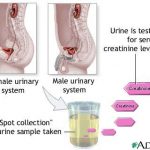
Creatinine and Creatinine Clearance Creatinine and creatinine clearance tests measure the level of the waste product creatinine in your blood and urine. These tests tell how well your kidneys are working. The substance creatine is formed when food is changed into energy through a process calledmetabolism. Creatine is broken down into another substance called creatinine,…
Read MoreCirrhosis and Chronic Liver Failure: Part II. Complications and Treatment

Complications and Treatment JOEL J. HEIDELBAUGH, M.D., and MARYANN SHERBONDY, M.D. University of Michigan Medical School, Ann Arbor, Michigan Major complications of cirrhosis include ascites, spontaneous bacterial peritonitis, hepatic encephalopathy, portal hypertension, variceal bleeding, and hepatorenal syndrome. Diagnostic studies on ascitic fluid should include a differential leukocyte count, total protein level, a serum-ascites albumin gradient,…
Read MoreCirrhosis and Chronic Liver Failure: Part I. Diagnosis and Evaluation

Diagnosis and Evaluation JOEL J. HEIDELBAUGH, M.D., and MICHAEL BRUDERLY, M.D. University of Michigan Medical School, Ann Arbor, Michigan This is part I of a two-part article on cirrhosis and chronic liver failure. Part II, “Complications and Treatment,” appears in this issue of AFP on page 767. Cirrhosis and chronic liver failure are leading causes…
Read MoreSymptoms of Cirrhosis of the Liver
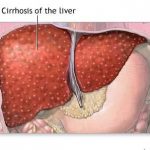
Symptoms of Cirrhosis of the Liver Cirrhosis of the liver refers to a condition characterized by the development of fibrous scar tissue on the liver and regenerative nodules or lumps. This chronic liver disease leads to progressive deterioration of liver function… Liver function is vital to detoxification and protein synthesis, within the human body. It…
Read MoreSo you think you have cirrhosis – What happens next??
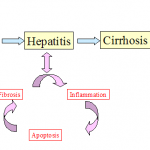
What happens next?? A question asked by most people who initially get diagnosed with this disease is ‘Ok, so what happens next???’ Here are some answers, this is a good primer on what to do next and what to expect. Treatment Overview Cirrhosis is a potentially life-threatening condition that occurs when inflammation and scarring damage…
Read MoreLiver Diseases and their Symptoms
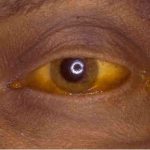
Liver Diseases and their Symptoms Alagille Syndrome – an inherited disorder characterized by a progressive loss of the bile ducts within the liver and narrowing of bile ducts outside the liver over the first year of life. Symptoms include jaundice, pale, loose stools and poor growth within the first three months of life. Alpha 1…
Read MoreInformation about Cirrhosis, symptoms etc.
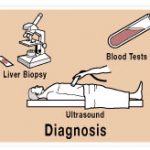
Cirrhosis Many Causes The onset of cirrhosis is often ‘silent’ with few specific symptoms…” Basic facts about the liver Your liver, the largest organ in your body, weighs about three pounds and is roughly the size of a football. It lies in the upper right side of your abdomen situated mostly under the lower ribs.…
Read MoreCatabolic Wasting, Cachexia

Cachexia Catabolic wasting or cachexia is a clinical wasting syndrome that is characterized by unintended and progressive weight loss, weakness, and low body fat and muscle. At least 5% of body weight is lost. Cachexia is not caused by poor appetite and nutritional intake, but rather by a metabolic state in which a “breaking down”…
Read MoreOutcome of non surgical hepatic decompression procedures patients with Budd-Chiari
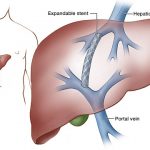
Outcome of Decompression Procedures Abstract AIM: To evaluate outcome of patients with Budd-Chiari syndrome after balloon angioplasty ± stenting or transjugular intrahepatic portosystemic shunt (TIPS). METHODS: Twenty five patients with Budd-Chiari syndrome admitted to Ain Shams University Hospitals, Tropical Medicine Department were included. Twelve patients (48%) with short segment occlusion were candidates for angioplasty; with…
Read More