Posts by craig@cnlpcb.com
A Good Article on Salt Intake

Salt Intake Patients with cirrhosis tend to retain salt. Cirrhosis can lead to portal hypertension, low albumin levels and increased sodium retention, which can culminate in the development of ascites. Diet is the first and most important intervention in patients with cirrhosis. In the earliest stages of cirrhosis, urinary sodium excretion is plentiful, and a…
Read MoreA Diet To Manage Fatty Liver Disease

A Diet To Manage Fatty Liver Disease Fatty liver, popularly recognized as FLD or fatty liver disease, is brought on by too much build up of fats within the liver cells. If such condition is not given the proper attention and control, it might be fatal in the long run. The great news is that…
Read MoreSpecial Considerations in Interpreting Liver Function Tests
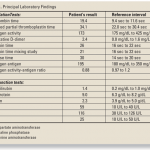
Special Considerations in Interpreting Liver Function Tests DAVID E. JOHNSTON, M.D., University of New Mexico School of Medicine, Albuquerque, New Mexico Am Fam Physician. 1999 Apr 15;59(8):2223-2230. A number of pitfalls can be encountered in the interpretation of common blood liver function tests. These tests can be normal in patients with chronic hepatitis or cirrhosis.…
Read MoreProblems With Electrolyte Balance

Problems With Electrolyte Balance The level of any electrolyte in the blood can become too high or too low. The main electrolytes in the blood are sodium, potassium, calcium, magnesium, chloride, phosphate, and carbonate. Most commonly, problems occur when the level of sodium, potassium, or calcium is abnormal. Often, electrolyte levels change when water levels…
Read MoreLooking at Liver Function Bloodwork

Looking at Liver Function Bloodwork When you go for a physical, your healthcare practitioner frequently orders blood tests. Many folks first find out they have hep C after undergoing a routine blood test and finding that one or more of the tests is abnormal. There’s no one test that indicates chronic hepatitis C disease. Tests…
Read MoreLiver Function Tests – A Good Article
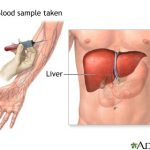
Liver Function Tests The purpose of this page is to assist people to understand the reasons for the tests that are generally performed and make some sense of the results. It is not intended to encourage “self diagnosis” A reliable diagnosis of a liver condition can only be made by a qualified medical practitioner after…
Read MoreLiver Enzymes: What Causes Liver Enzymes to Elevate?

What Causes Liver Enzymes to Elevate? Tests that measure liver enzymes are blood tests that specify how much of the special protein that makes up liver enzymes is present in the liver. This enzyme increases the liver’s chemical reactions in order to measure the functions that the liver performs. These include such functions as excretion,…
Read MoreLiver Blood Test ALT/AST Enzyme Values

ALT/AST Enzyme Values Medical Author: Siamak Nabili, MD, MPH Medical Editor: William C. Shiel, Jr., MD, FACP, FACR Introduction to liver blood test An initial step in detecting liver damage is a simple blood test to determine the presence of certain liver enzymes in the blood. Under normal circumstances, these enzymes reside within the cells…
Read MoreImaging Tests

Imaging Tests Imaging is essential for accurately diagnosing biliary tract disorders and is important for detecting focal liver lesions (eg, abscess, tumor). It is limited in detecting and diagnosing diffuse hepatocellular disease (eg, hepatitis, cirrhosis). Ultrasonography: Ultrasonography, traditionally done transabdominally and requiring a period of fasting, provides structural, but not functional, information. It is the…
Read MoreExams and Tests
Exams and Tests Cirrhosis is a potentially life-threatening condition that occurs when inflammation and scarring damage the liver. A physical examination and medical history will be done first to assess symptoms of liver disease, to see whether liver disease is severe enough to cause signs of cirrhosis, and to help determine possible causes of liver…
Read More