Posts by craig@cnlpcb.com
Low-carbohydrate diet burns more excess liver fat than low-calorie diet
Low-carbohydrate diet burns more excess liver fat than low-calorie diet DALLAS — Jan. 20, 2009 — People on low-carbohydrate diets are more dependent on the oxidation of fat in the liver for energy than those on a low-calorie diet, researchers at UT Southwestern Medical Center have found in a small clinical study. The findings, published…
Read MoreKeeping Food Sweet With Liver Disease

Keeping Food Sweet By looking at the facts about artificial sweeteners, high fructose corn syrup and table sugar, those with liver disease can make informed choices about how to best eat their sweets. by Nicole Cutler, L.Ac. The debate regarding which form of sugar is the healthiest has been going on for quite some time.…
Read MoreIs fructose really worse than other types of sugar?

Is fructose worse than sugar? DEAR DOCTOR K: I keep hearing about how bad fructose and high-fructose corn syrup are for my health. But is fructose really worse than other types of sugar? DEAR READER: The short answer is yes. I’m not an expert on sugar metabolism, but I’ll tell you what the experts at…
Read MoreIs Coffee a Wise Adjunct to Hepatitis C Therapy?

Is Coffee a Wise Adjunct to Hepatitis C Therapy? March 9, 2011 In the debate over coffee’s effect on health, coffee lovers who are undergoing treatment for Hepatitis C have just scored a victory. by Nicole Cutler, L.Ac. As one of the world’s most common beverages, coffee has a long list of devotees. Even with…
Read MoreIndian Spice May Delay Liver Damage and Cirrhosis, Study Suggests
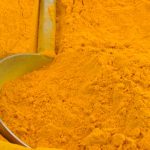
Indian Spice May Delay Liver Damage ScienceDaily (Mar. 24, 2010) — Curcumin, one of the principal components of the Indian spice turmeric, seems to delay the liver damage that eventually causes cirrhosis, suggests preliminary experimental research in the journal Gut. Curcumin, which gives turmeric its bright yellow pigment, has long beenused in Indian Ayurvedic medicine…
Read MoreHow not eating increases Total Serum Bilirubin
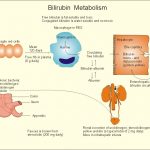
How not eating increases Total Serum Bilirubin (TSB) in both healthy adults and those with Gibert’s Syndrome has been studied for several years. Here is a link to one fascinating article printed in the British Pharmacological Society which showed that not eating for a period of 12 to 24 hours has a dramatically significant impact…
Read MoreHigh Fructose Corn Syrup Linked to Liver Scarring

High Fructose Corn Syrup (PhysOrg.com) — High fructose corn syrup, which is linked to obesity, may also be harmful to the liver, according to Duke University Medical Center research. We found that increased consumption of high fructose corn syrup was associated with scarring in the liver, or fibrosis, among patients with non-alcoholic fatty liver disease…
Read MoreHepatitis C: Role of Diet
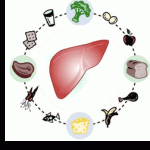
Hepatitis C: Role of Diet Hepatitis C is a condition where the liver is infected with the damaging hepatitis c virus. It can stay in remission for several years or gradually worsen causing cirrhosis of the liver. Cirrhosis of the liver is a condition that causes the liver to become extensively scarred, making it unable…
Read MoreHeavy Coffee Consumption Linked to Better Hep C Treatment Response
Coffee Linked to Better Hep C Response Patients with advanced hepatitis C virus–related liver disease who drank three or more cups of coffee per day were three times more likely to respond to therapy with peginterferon alfa-2a plus ribavirin at four time points than were patients who didn’t drink coffee, Neal David Freedman, Ph.D., and…
Read MoreGuidelines for a Low Sodium Diet

Guidelines for a Low Sodium Diet Sodium controls fluid balance and maintains blood volume and blood pressure. A diet high in sodium may raise blood pressure and cause fluid retention, resulting in swelling of the legs and feet. Water may also collect around the lungs and lead to shortness of breath. The average American eats…
Read More